
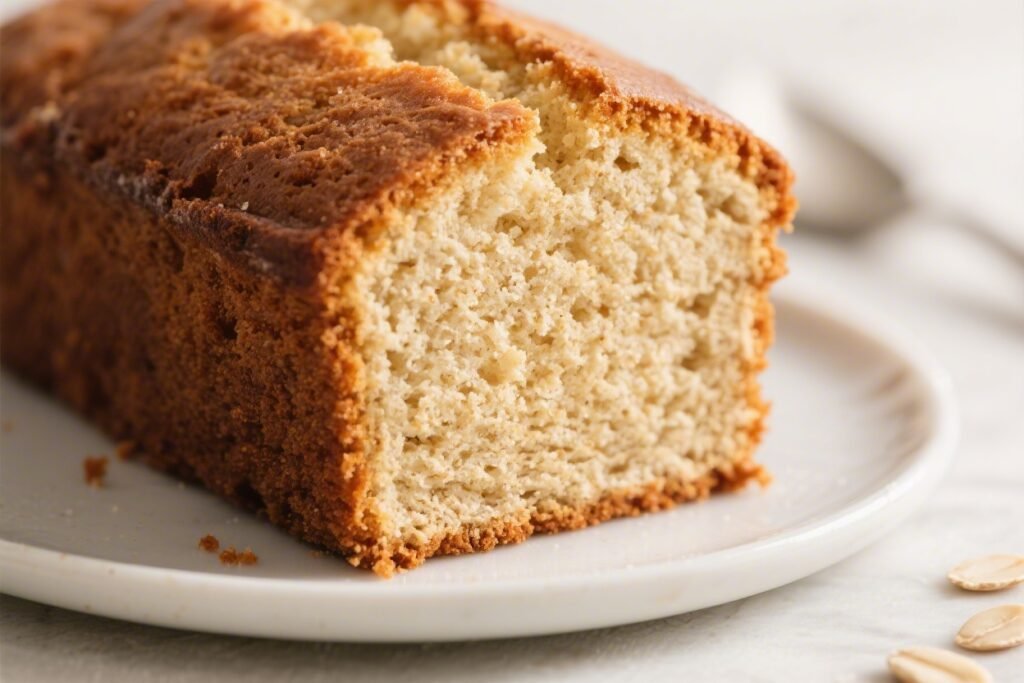
If you love classic pound cake but want something lighter in carbs and gluten-free, this almond flour version hits the spot. It’s buttery, moist, and lightly sweet—perfect with coffee or a handful of berries. You’ll get that familiar tight crumb and rich flavor without the sugar rush.
Best of all, it’s simple to make with pantry-friendly ingredients and comes together in one bowl. Consider this your go-to cake for weekends, brunches, or any time you want a not-too-sweet treat.
Low Carb Almond Flour Pound Cake - A Tender, Everyday Treat
Ingredients
- 2 1/2 cups (250g) blanched almond flour, finely ground
- 1/4 cup (30g) coconut flour (helps with structure and a tighter crumb)
- 1 cup granulated low-carb sweetener (erythritol/monk fruit blend or allulose; measure like sugar)
- 1 teaspoon baking powder
- 1/2 teaspoon baking soda
- 1/2 teaspoon fine sea salt
- 1/2 cup (115g) unsalted butter, softened to room temperature
- 4 large eggs, room temperature
- 1/2 cup (120 ml) unsweetened almond milk (or other low-carb milk)
- 2 teaspoons pure vanilla extract
- 1 teaspoon almond extract (optional but lovely for flavor depth)
- 1 tablespoon lemon zest (optional, brightens flavor)
Instructions
- Prep your pan and oven. Preheat the oven to 325°F (163°C). Line a 9x5-inch loaf pan with parchment, leaving an overhang for easy lift-out. Lightly grease the parchment and sides.
- Whisk the dry ingredients. In a medium bowl, whisk almond flour, coconut flour, baking powder, baking soda, and salt until well combined. Break up any almond flour lumps with your fingers or a whisk.
- Cream butter and sweetener. In a large bowl, beat the softened butter and sweetener with a hand mixer until light and fluffy, about 2-3 minutes. This incorporates air and improves texture.
- Add eggs one at a time. Beat in the eggs, one by one, mixing well after each addition. Scrape the bowl so everything blends evenly.
- Flavor boosters. Mix in the vanilla, almond extract (if using), and lemon zest. The almond extract intensifies nuttiness without overwhelming the cake.
- Alternate dry ingredients and milk. Add half the dry mixture, then half the almond milk. Mix on low until just combined. Add the remaining dry mixture and milk, mixing gently until you have a thick, smooth batter. Don’t overmix.
- Fill the pan. Scrape the batter into the lined loaf pan. Smooth the top with a spatula and lightly tap the pan on the counter to release big air pockets.
- Bake low and slow. Bake for 45-60 minutes at 325°F. Start checking around 45 minutes. The cake is done when the top is golden, the center springs back lightly, and a toothpick comes out clean or with a few moist crumbs. If browning too quickly, tent with foil.
- Cool properly. Let the cake cool in the pan for 15 minutes. Use the parchment to lift it out, then cool completely on a wire rack before slicing. This helps set the crumb and prevents crumbling.
- Slice and serve. Use a sharp, serrated knife to make clean slices. Serve plain, with fresh berries, or a dollop of lightly sweetened whipped cream.
Why This Recipe Works
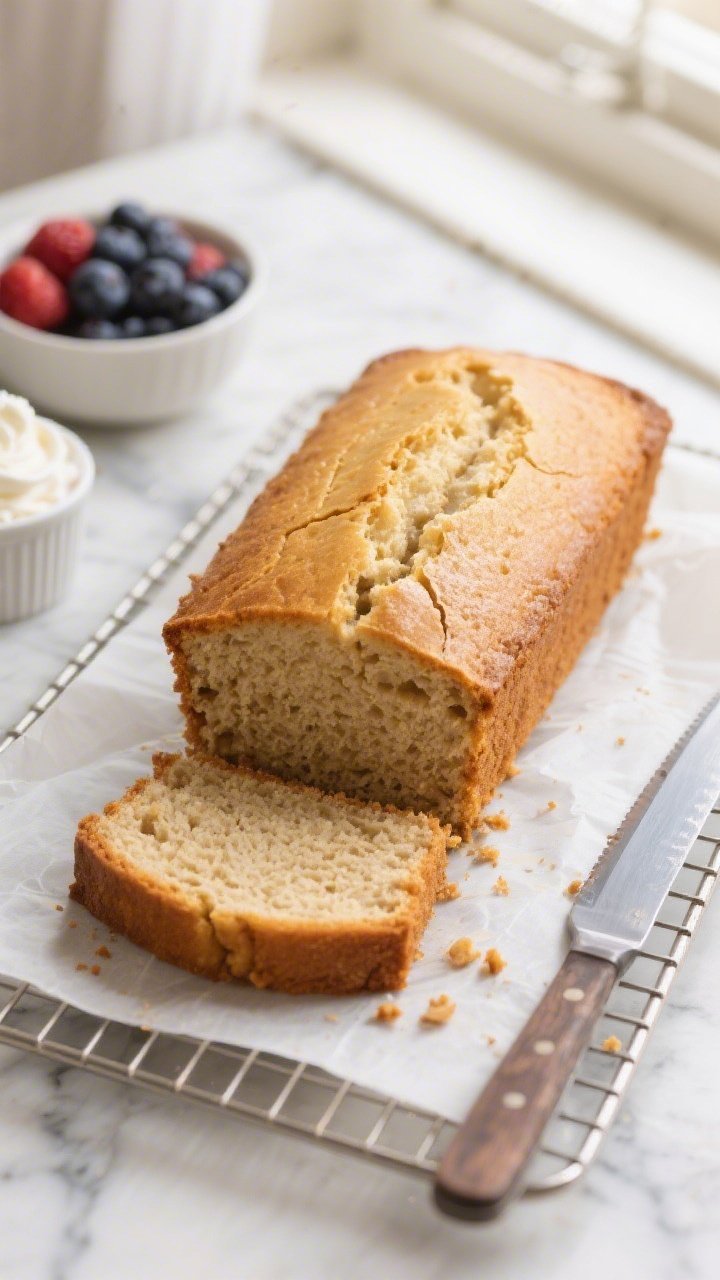
Almond flour keeps it moist. Finely ground almond flour has natural fats that make the cake rich and tender without needing a ton of butter.
Sweetened just right. A granular, zero-calorie sweetener that measures like sugar gives classic pound cake sweetness while keeping net carbs low.
Extra structure from eggs. Pound cake needs a good structure. Eggs help it rise, bind, and create that tight, delicate crumb.
Simple technique, big payoff. A short list of ingredients and easy mixing steps make this recipe friendly for beginners and reliable for repeat baking.
Ingredients
- 2 1/2 cups (250g) blanched almond flour, finely ground
- 1/4 cup (30g) coconut flour (helps with structure and a tighter crumb)
- 1 cup granulated low-carb sweetener (erythritol/monk fruit blend or allulose; measure like sugar)
- 1 teaspoon baking powder
- 1/2 teaspoon baking soda
- 1/2 teaspoon fine sea salt
- 1/2 cup (115g) unsalted butter, softened to room temperature
- 4 large eggs, room temperature
- 1/2 cup (120 ml) unsweetened almond milk (or other low-carb milk)
- 2 teaspoons pure vanilla extract
- 1 teaspoon almond extract (optional but lovely for flavor depth)
- 1 tablespoon lemon zest (optional, brightens flavor)
Step-by-Step Instructions
- Prep your pan and oven. Preheat the oven to 325°F (163°C).
Line a 9×5-inch loaf pan with parchment, leaving an overhang for easy lift-out. Lightly grease the parchment and sides.
- Whisk the dry ingredients. In a medium bowl, whisk almond flour, coconut flour, baking powder, baking soda, and salt until well combined. Break up any almond flour lumps with your fingers or a whisk.
- Cream butter and sweetener. In a large bowl, beat the softened butter and sweetener with a hand mixer until light and fluffy, about 2-3 minutes.
This incorporates air and improves texture.
- Add eggs one at a time. Beat in the eggs, one by one, mixing well after each addition. Scrape the bowl so everything blends evenly.
- Flavor boosters. Mix in the vanilla, almond extract (if using), and lemon zest. The almond extract intensifies nuttiness without overwhelming the cake.
- Alternate dry ingredients and milk. Add half the dry mixture, then half the almond milk.
Mix on low until just combined. Add the remaining dry mixture and milk, mixing gently until you have a thick, smooth batter. Don’t overmix.
- Fill the pan. Scrape the batter into the lined loaf pan.
Smooth the top with a spatula and lightly tap the pan on the counter to release big air pockets.
- Bake low and slow. Bake for 45-60 minutes at 325°F. Start checking around 45 minutes. The cake is done when the top is golden, the center springs back lightly, and a toothpick comes out clean or with a few moist crumbs.
If browning too quickly, tent with foil.
- Cool properly. Let the cake cool in the pan for 15 minutes. Use the parchment to lift it out, then cool completely on a wire rack before slicing. This helps set the crumb and prevents crumbling.
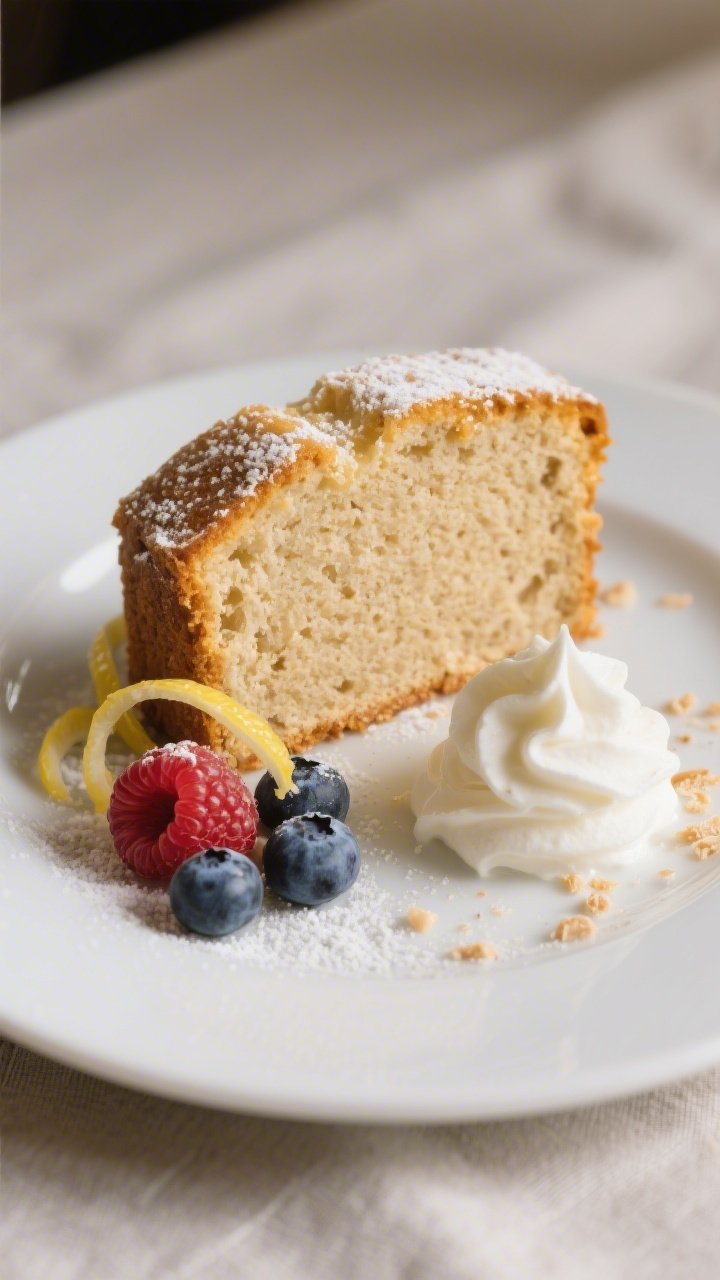
- Slice and serve. Use a sharp, serrated knife to make clean slices.
Serve plain, with fresh berries, or a dollop of lightly sweetened whipped cream.
Storage Instructions
- Room temperature: Store in an airtight container for up to 2 days.
- Refrigerator: Keeps well for 5-6 days. Warm slices briefly in the microwave or toaster oven for best texture.
- Freezer: Wrap individual slices in parchment, then place in a freezer bag. Freeze up to 2 months.
Thaw at room temperature or reheat from frozen at low heat.
Benefits of This Recipe
- Low in carbs, high in satisfaction. Almond flour and a zero-sugar sweetener deliver classic pound cake flavor without the carb load.
- Gluten-free by design. No special substitutions needed—almond and coconut flours naturally avoid gluten.
- Moist, tender crumb. Healthy fats in almond flour keep the cake from drying out, even after chilling.
- Simple pantry ingredients. No gums or complicated binders; just smart ratios and good technique.
- Versatile base. Add lemon, orange, cinnamon, or sugar-free chocolate chips to customize.
What Not to Do
- Don’t swap almond meal for blanched almond flour. Almond meal is coarser with skins; it makes the cake heavier and grainy.
- Don’t skip the coconut flour without adjusting. It’s part of the structure. If you omit it, the cake can be too moist. If you must, add 2-3 extra tablespoons of almond flour and expect a looser crumb.
- Don’t overbake. Almond flour browns fast.
Check early and tent with foil if needed to prevent a dry, crumbly loaf.
- Don’t cut while hot. Warm slices fall apart. Cool fully for neat, bakery-style cuts.
- Don’t use liquid sweeteners 1:1. They change moisture balance and can sink the center. Stick to a granular sweetener that measures like sugar.
Alternatives
- Dairy-free: Replace butter with an equal amount of softened coconut oil or a plant-based butter.
Add a pinch more salt to balance flavor.
- No almond extract: Use only vanilla or add 1 teaspoon lemon extract for a bright twist.
- Allulose swap: If using allulose, the cake may brown faster and stay a touch softer. Lower the oven to 315°F (157°C) and watch the timing.
- Citrus pound cake: Add 2 tablespoons lemon juice and increase lemon zest to 2 tablespoons. Reduce almond milk by 2 tablespoons to keep the batter balanced.
- Marble variation: Remove 3 tablespoons of batter and mix with 1 tablespoon unsweetened cocoa powder and 1 teaspoon almond milk.
Swirl into the pan for a low-carb marble effect.
- Mini loaves or muffins: Bake in a muffin pan (lined) for 18-22 minutes, or in mini loaf pans for 25-35 minutes, checking early.
FAQ
Can I make this cake without coconut flour?
Yes, but the texture will change. Replace the 1/4 cup coconut flour with 3-4 tablespoons additional almond flour, and expect a slightly denser, moister loaf. Bake time may be a few minutes longer.
Which sweetener works best?
A 1:1 sugar substitute is key.
Erythritol/monk fruit blends produce a clean sweetness and good structure. Allulose gives a softer crumb and browns more quickly. Avoid pure stevia drops for this recipe—they won’t provide bulk.
Why did my cake sink in the middle?
It’s often underbaked or too much liquid.
Make sure your oven is truly at 325°F, measure flours accurately, and bake until the center springs back and a toothpick tests clean. Let it cool in the pan for 15 minutes before unmolding.
Can I use ghee or salted butter?
Ghee works well and adds a nutty note. If using salted butter, reduce added salt to a pinch to avoid an overly salty cake.
How do I prevent a gritty texture?
Use blanched, finely ground almond flour and beat the butter and sweetener thoroughly.
Let the batter rest 5 minutes before baking to hydrate the coconut flour, which helps smooth the crumb.
Is this cake keto-friendly?
Yes. With almond flour and a zero-calorie sweetener, each slice is low in net carbs. Exact macros depend on your brand of sweetener and flours, but it fits most low-carb and keto plans.
Final Thoughts
This Low Carb Almond Flour Pound Cake gives you the comfort of a classic loaf without the sugar or gluten.
It’s unfussy, reliable, and perfect for everyday snacking or simple desserts. Keep it plain, dress it with berries, or warm a slice with a pat of butter—it’s all good. Once you’ve baked it once, you’ll have a new staple recipe you can riff on all year.