
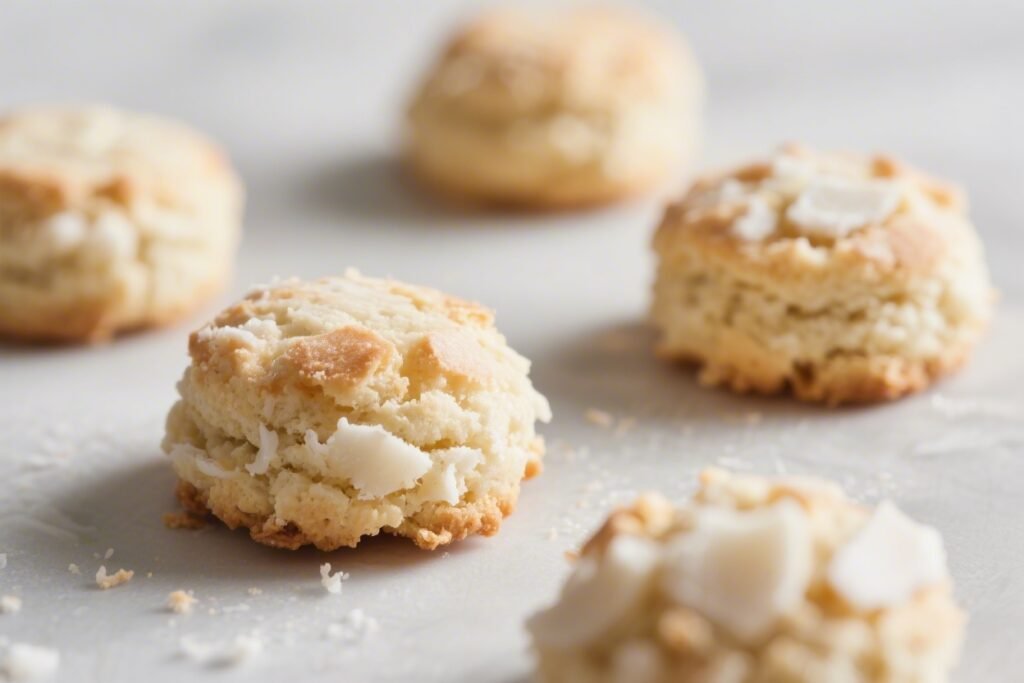
Coconut macaroons are the kind of treat that feel special but come together in minutes. These keto coconut macaroons capture all the classic flavor—sweet, toasty coconut with a soft, chewy middle—without the sugar crash. They use simple pantry ingredients and bake up golden at the edges with a tender bite.
Whether you’re new to keto or just want a dessert that won’t weigh you down, this recipe is a reliable favorite. They’re also naturally gluten-free and travel well, so they’re perfect for sharing or stashing in the freezer for later.
Keto Coconut Macaroons - Simple, Chewy, and Naturally Low-Carb
Ingredients
- Unsweetened shredded coconut: 2 1/2 cups (about 200 g), finely shredded works best for a cohesive texture.
- Egg whites: 3 large, at room temperature for easier mixing.
- Keto sweetener: 1/2 cup granulated erythritol or an erythritol/monk fruit blend. Powdered style dissolves even better.
- Coconut cream or heavy cream: 3 tablespoons for moisture and richness.
- Vanilla extract: 1 1/2 teaspoons for warmth and aroma.
- Almond extract (optional): 1/4 teaspoon adds a bakery-style note.
- Salt: 1/8 teaspoon to balance sweetness.
- Dark chocolate (optional): 3–4 ounces of sugar-free dark chocolate for dipping or drizzling.
Instructions
- Prep the pan: Heat your oven to 325°F (165°C). Line a baking sheet with parchment paper or a silicone mat.
- Mix the wet ingredients: In a medium bowl, whisk egg whites, sweetener, coconut cream, vanilla, almond extract (if using), and salt until the sweetener starts to dissolve and the mixture looks slightly frothy.
- Fold in coconut: Add the shredded coconut and stir until every strand is coated. The mixture should be thick and slightly sticky, not runny.
- Chill briefly (optional): If the mixture feels loose, chill it for 10 minutes. This helps it hold shape during baking.
- Scoop: Use a 1-tablespoon scoop to portion mounds onto the prepared sheet, packing the scoop slightly so each macaroon is compact. Space them about 1 inch apart.
- Shape: If needed, gently press any stray coconut bits into the sides so they don’t burn. Aim for rounded mounds.
- Bake: Bake for 14–18 minutes, rotating the pan halfway through. They’re done when the tips and bottoms are golden and the centers look set.
- Cool: Let the macaroons cool on the sheet for 5 minutes, then transfer to a rack to cool completely. They’ll firm up as they cool.
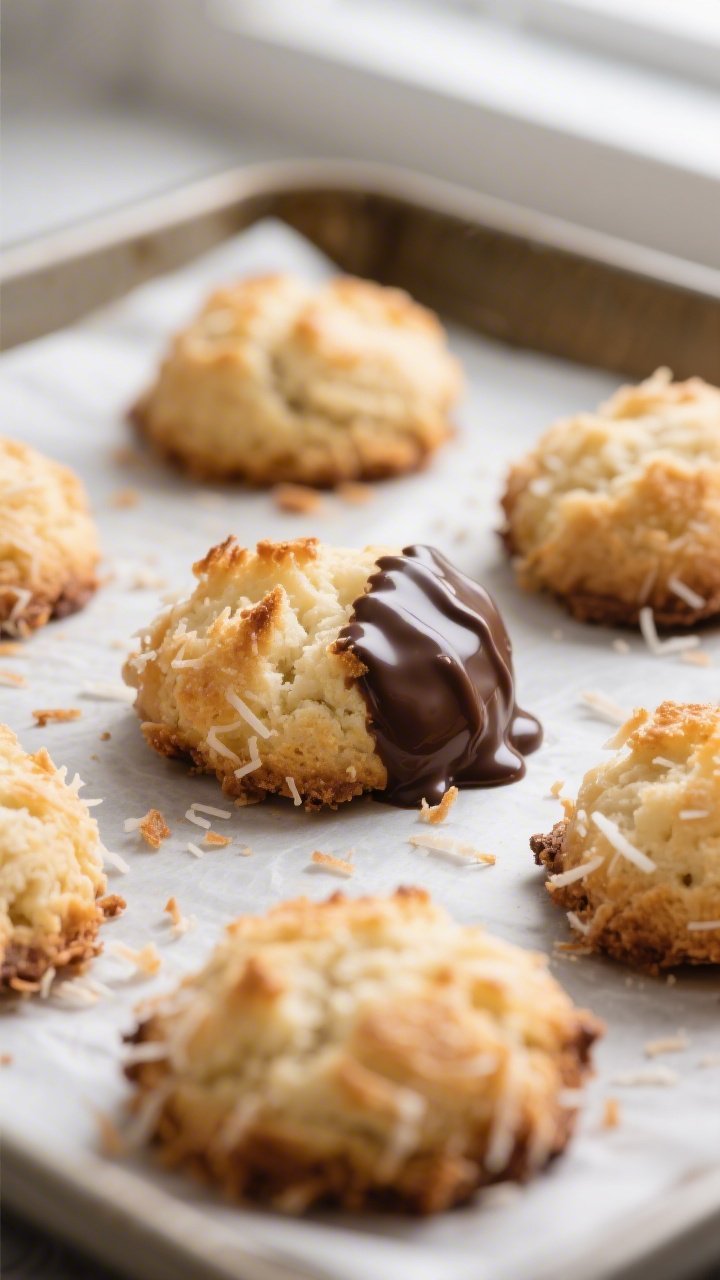
- Chocolate finish (optional): Melt sugar-free dark chocolate in short bursts in the microwave or over a double boiler. Dip the bottoms or drizzle on top. Set on parchment to harden.
Why This Recipe Works
- Simple ingredients, big payoff: Unsweetened shredded coconut, egg whites, and a keto sweetener are all you need for a classic macaroon texture.
- Moist but not dense: A touch of coconut cream (or heavy cream) keeps them tender without adding carbs.
- Just-sweet-enough: Erythritol or an erythritol/monk fruit blend gives clean sweetness with no aftertaste when balanced with vanilla and salt.
- Quick bake time: They’re ready in about 30 minutes from start to finish, including mixing and scooping.
- Flexible and forgiving: You can flavor them with lemon zest, almond extract, or dip them in dark chocolate for extra flair.
What You’ll Need
- Unsweetened shredded coconut: 2 1/2 cups (about 200 g), finely shredded works best for a cohesive texture.
- Egg whites: 3 large, at room temperature for easier mixing.
- Keto sweetener: 1/2 cup granulated erythritol or an erythritol/monk fruit blend. Powdered style dissolves even better.
- Coconut cream or heavy cream: 3 tablespoons for moisture and richness.
- Vanilla extract: 1 1/2 teaspoons for warmth and aroma.
- Almond extract (optional): 1/4 teaspoon adds a bakery-style note.
- Salt: 1/8 teaspoon to balance sweetness.
- Dark chocolate (optional): 3–4 ounces of sugar-free dark chocolate for dipping or drizzling.
Instructions

- Prep the pan: Heat your oven to 325°F (165°C).
Line a baking sheet with parchment paper or a silicone mat.
- Mix the wet ingredients: In a medium bowl, whisk egg whites, sweetener, coconut cream, vanilla, almond extract (if using), and salt until the sweetener starts to dissolve and the mixture looks slightly frothy.
- Fold in coconut: Add the shredded coconut and stir until every strand is coated. The mixture should be thick and slightly sticky, not runny.
- Chill briefly (optional): If the mixture feels loose, chill it for 10 minutes. This helps it hold shape during baking.
- Scoop: Use a 1-tablespoon scoop to portion mounds onto the prepared sheet, packing the scoop slightly so each macaroon is compact.
Space them about 1 inch apart.
- Shape: If needed, gently press any stray coconut bits into the sides so they don’t burn. Aim for rounded mounds.
- Bake: Bake for 14–18 minutes, rotating the pan halfway through. They’re done when the tips and bottoms are golden and the centers look set.
- Cool: Let the macaroons cool on the sheet for 5 minutes, then transfer to a rack to cool completely.
They’ll firm up as they cool.
- Chocolate finish (optional): Melt sugar-free dark chocolate in short bursts in the microwave or over a double boiler. Dip the bottoms or drizzle on top. Set on parchment to harden.
How to Store
- Room temperature: Store in an airtight container for up to 3 days.
Keep them away from humidity to maintain their chew.
- Refrigerator: For up to 1 week. Let them sit at room temp for 10–15 minutes before serving for the best texture.
- Freezer: Freeze in a zip-top bag or container (with parchment between layers) for up to 2 months. Thaw at room temperature for 30–45 minutes.
- Chocolate-dipped tip: If dipped, separate layers with parchment to prevent sticking.
Why This is Good for You
- Low in carbs: Swapping sugar with a keto-friendly sweetener keeps net carbs low while still tasting like dessert.
- Healthy fats: Coconut provides medium-chain triglycerides (MCTs), which support a steady energy burn on keto.
- Gluten-free by nature: No flour required, which makes them ideal for gluten-sensitive eaters.
- Satisfying and portion-friendly: The fat and fiber combo helps curb cravings with just one or two macaroons.
Common Mistakes to Avoid
- Using sweetened coconut: It adds a lot of sugar.
Always choose unsweetened shredded coconut.
- Skipping salt: A pinch makes the sweetness taste cleaner and the coconut more flavorful.
- Overbaking: The edges should be golden, not brown all over. Overbaking leads to dry, crumbly centers.
- Too much liquid: Extra egg whites or cream can make them spread. The mixture should be thick and hold its shape in a scoop.
- Large mounds: Bigger scoops take longer and can brown too much on the outside before the center sets.
Stick to about 1 tablespoon each.
Recipe Variations
- Chocolate Coconut Macaroons: Add 2 tablespoons unsweetened cocoa powder to the wet mixture and increase sweetener slightly to taste.
- Lemon Zest and Vanilla: Stir in 1 teaspoon fresh lemon zest for a bright, bakery-style flavor.
- Toasted Coconut Boost: Lightly toast 1/2 cup of the coconut and fold it in at the end for extra crunch and aroma.
- Almond Joy-Inspired: Press a roasted almond into the top of each macaroon before baking. Dip in chocolate after cooling.
- Espresso Drizzle: Mix a pinch of espresso powder into the melted chocolate for a mocha finish.
FAQ
Can I use coconut flakes instead of shredded coconut?
Flakes are larger and don’t bind as well, which can make the macaroons fall apart. If flakes are all you have, pulse them in a food processor a few times to create a finer texture closer to shredded.
Which sweetener works best for keto macaroons?
Granulated erythritol or an erythritol/monk fruit blend is reliable and bakes clean.
Powdered versions dissolve more smoothly, reducing any graininess. Avoid liquid stevia alone—it can turn bitter and doesn’t add bulk.
Do I need to whip the egg whites?
No. A simple whisk is enough.
You’re not making meringue; you just want the whites to combine with the sweetener and cream to moisten the coconut.
How do I prevent a cooling aftertaste from erythritol?
Use a blend that includes monk fruit or allulose, or choose a powdered version. A touch of vanilla, almond extract, and a small pinch of salt also balance the flavor.
Can I make these dairy-free?
Yes. Use coconut cream instead of heavy cream and choose a dairy-free, sugar-free chocolate if dipping.
How do I know when they’re done?
Look for light golden edges and bottoms with set, slightly firm tops.
If they’re very soft and pale all over, give them another 1–2 minutes, watching closely.
Why did my macaroons spread?
The mixture likely had too much moisture or wasn’t packed tightly in the scoop. Chill the mixture briefly, and make sure the mounds are compact before baking.
Can I make them larger?
You can, but increase the bake time and lower the oven temperature slightly (to 315°F/157°C) to avoid over-browning before the centers set.
What’s the best way to melt sugar-free chocolate?
Use a double boiler or microwave in 15–20 second bursts, stirring between each. Stop when a few small pieces remain; the residual heat will finish melting and keep it smooth.
Are these good for meal prep?
Absolutely.
They store well in the fridge or freezer and hold their texture. Make a double batch and freeze half for fast, ready-to-eat treats.
In Conclusion
Keto coconut macaroons are proof that low-carb baking can be both easy and satisfying. With a short ingredient list and a quick bake, they deliver that chewy, toasty coconut goodness any day of the week.
Keep the basics in mind—unsweetened coconut, the right sweetener, and gentle baking—and you’ll get consistent results. Enjoy them plain, dipped in chocolate, or dressed up with citrus or nuts. They’re a small, sweet win you can feel good about.
